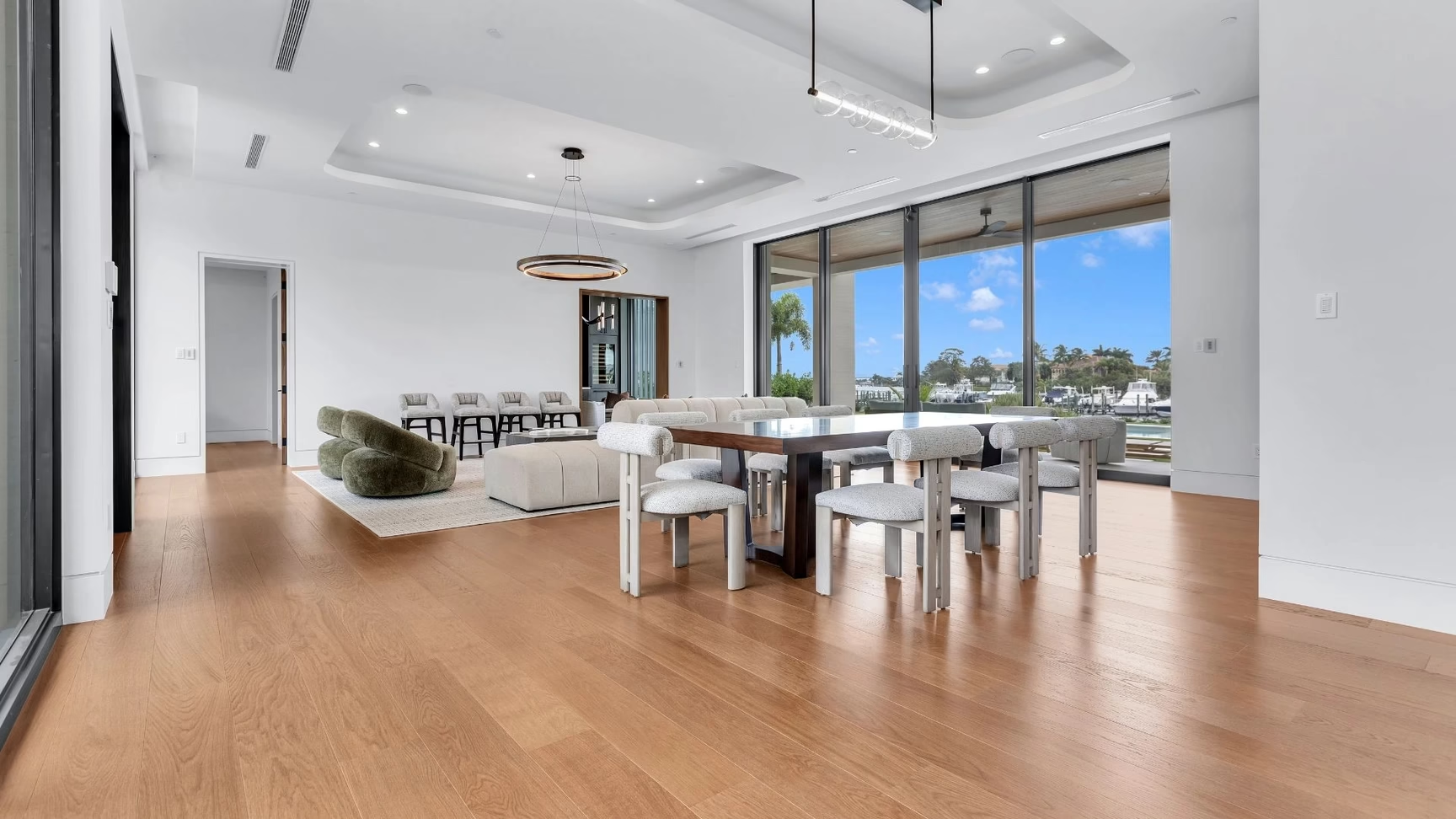
Ask ten flooring professionals whether to specify solid or engineered hardwood and you’ll get ten different answers — often driven by habit, sales margin, or incomplete information. This guide cuts through the noise.
Defining the Difference
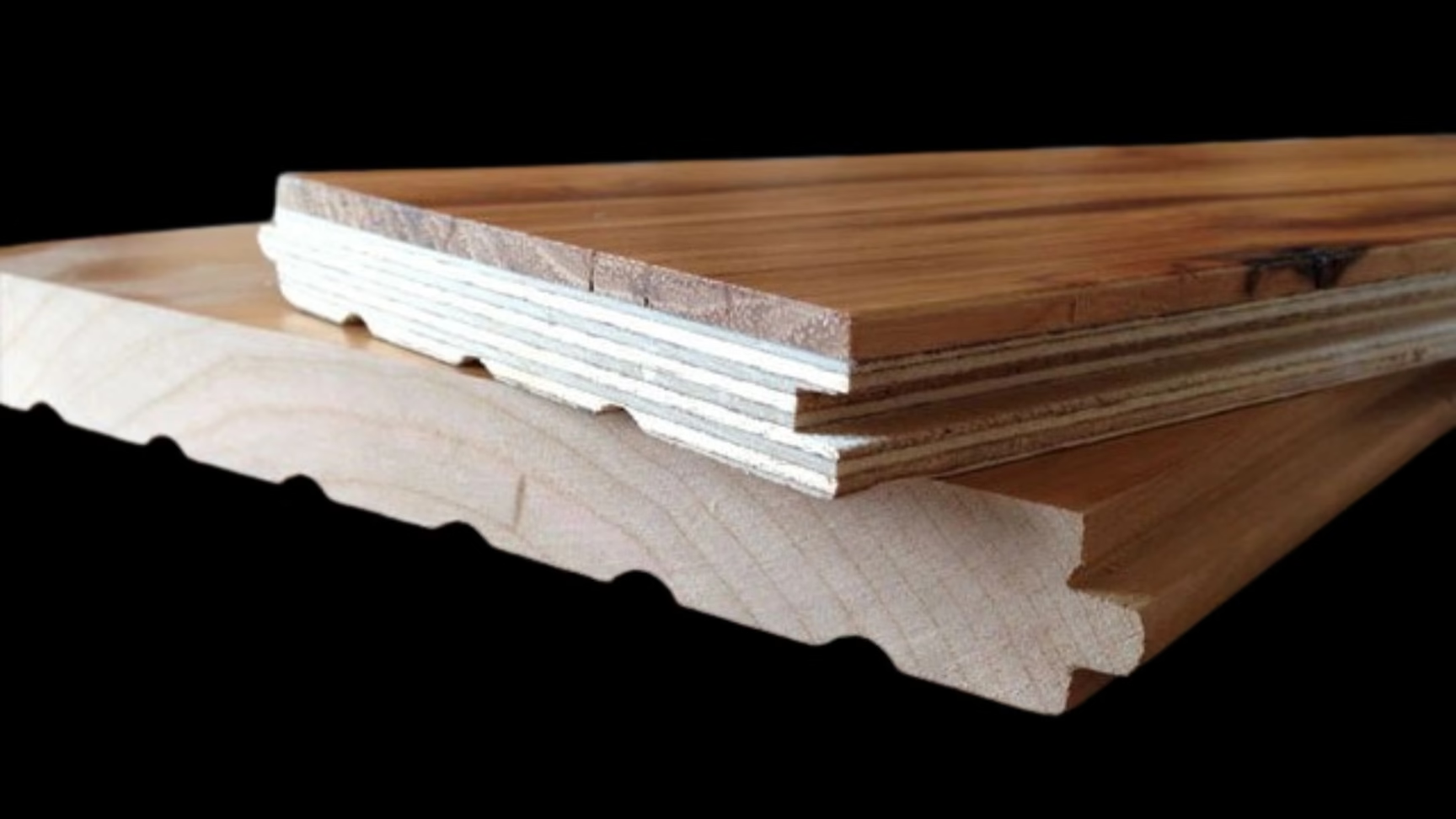
Solid hardwood is milled entirely from a single piece of wood. Its thickness — typically between 16mm and 20mm — is uniform throughout, which allows for multiple rounds of sanding and refinishing over the life of the floor. Its limitations are equally straightforward: solid wood expands and contracts significantly with humidity changes, which restricts installation over radiant heat systems or on concrete subfloors without a vapor barrier.
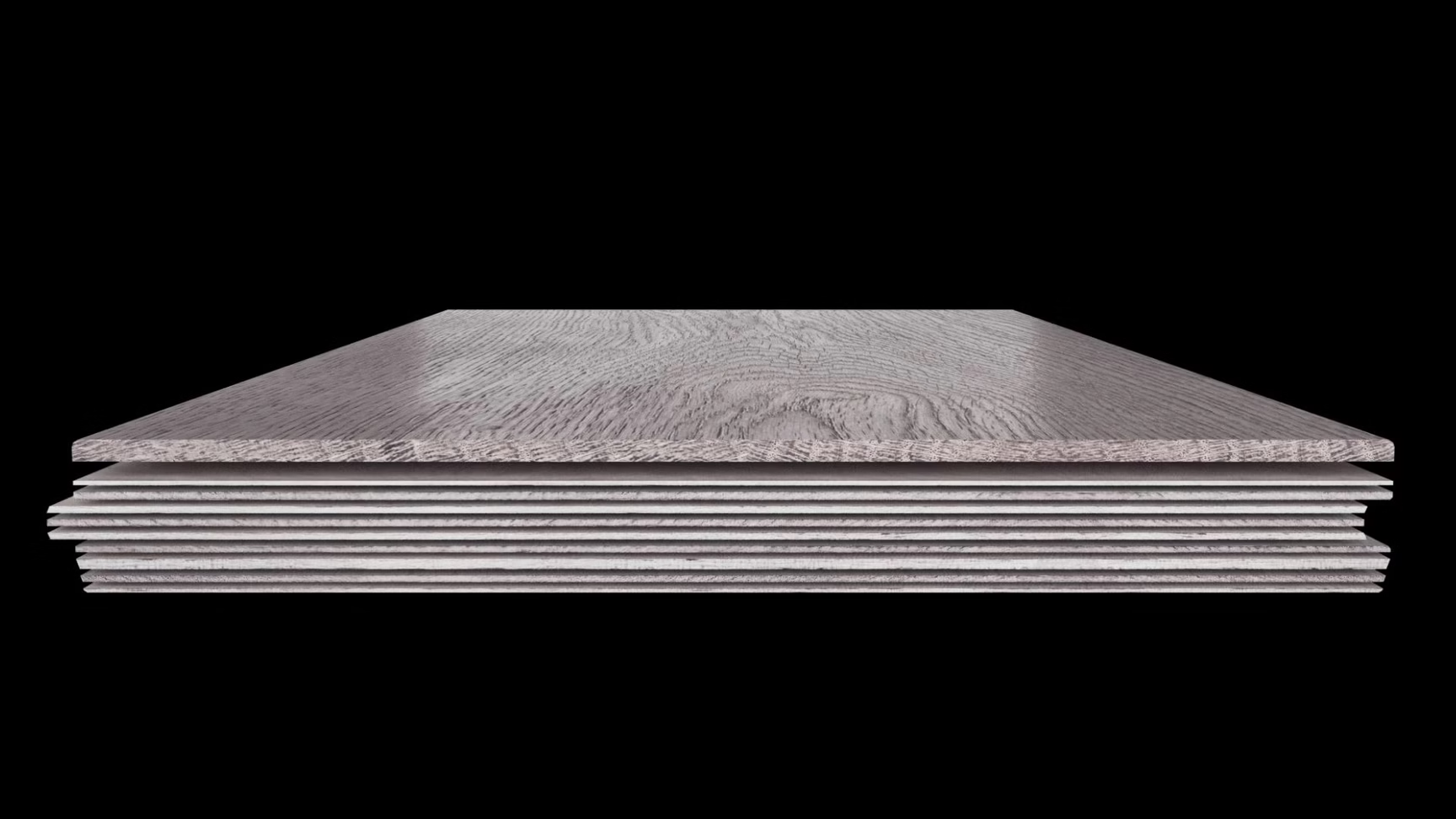
Engineered hardwood is constructed in layers: a premium hardwood wear layer — the species you see and feel — bonded to a cross-laminated core of hardwood plies, (commonly plywood such as birch or mixed hardwood species). The cross-grain construction counteracts the natural movement of wood, producing a floor that is significantly more stable across temperature and humidity fluctuations.
“Engineered hardwood is not a compromise. In many high-specification projects, it is the correct answer.”
When to Specify Solid
Solid hardwood is the right choice when:
- The subfloor is wood or plywood, at or above grade
- No underfloor heating is present or planned
- Long-term refinishability is a priority (historic restorations, heritage projects)
- The client values the authenticity of a single-piece natural material
When to Specify Engineered
Engineered is the correct specification when:
- The installation is over concrete or radiant heat systems
- The project is in a high-humidity or coastal environment
- Wide plank formats are desired (engineered construction reduces cupping risk in wide boards)
- The project spans multiple levels with varying subfloor conditions